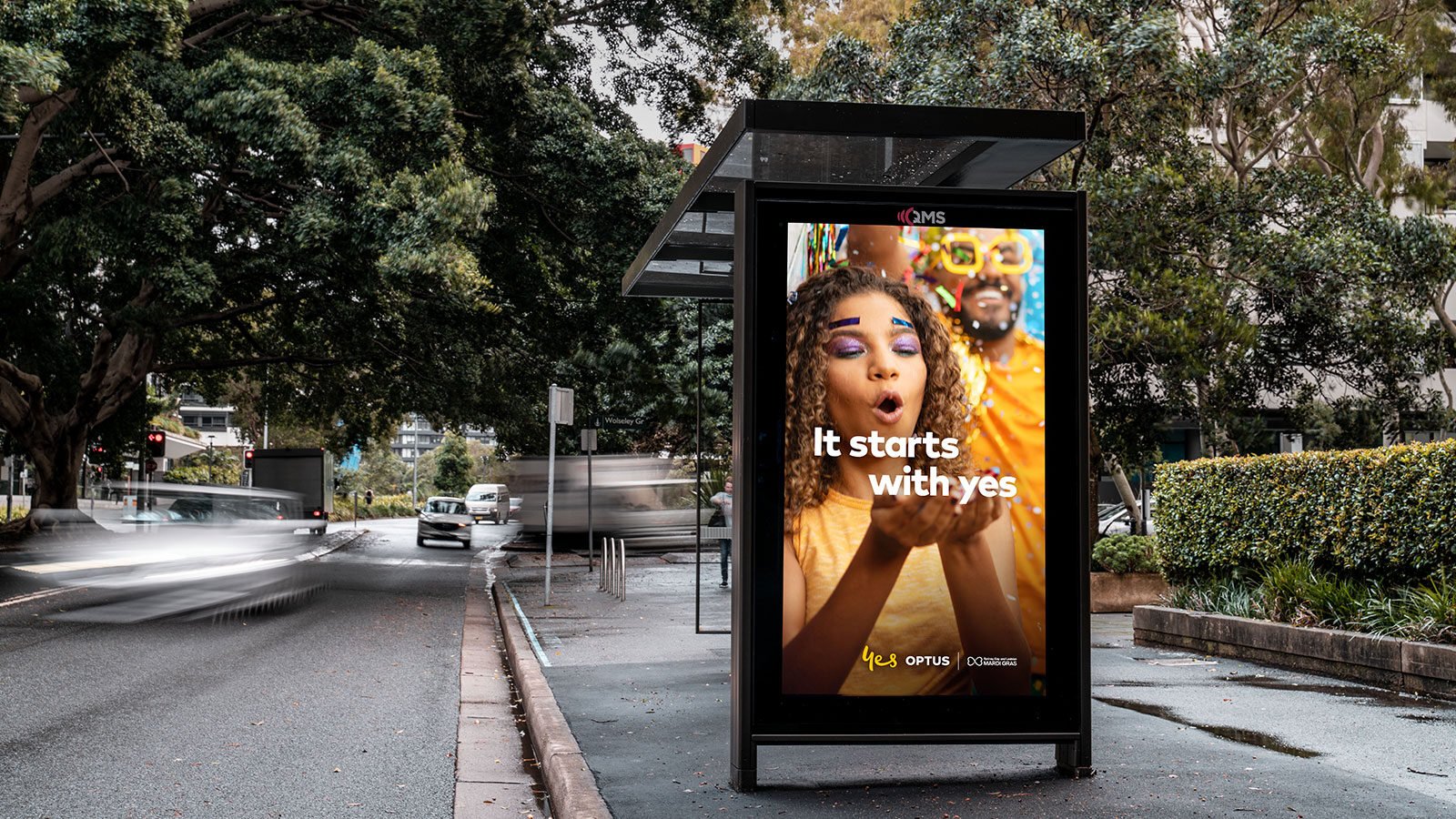
I want to tell you something that took us nearly 80 years of watching Mumbai's streets to understand fully: outdoor advertising was never the competition for digital. It was always the foundation.
The brands still running the "OOH or digital?" debate are like architects arguing about whether to use steel or glass — not realising the best buildings need both. At Selvel, we've watched this shift happen in real time. Clients who once came to us for hoardings alone now come with integrated briefs, and the results they report are categorically different.
So let's put the debate to rest. Here is the honest, practical breakdown of what each medium does brilliantly, where each falls short — and exactly how to combine them so every rupee you spend pulls twice the weight.
What OOH Does That Nothing Else Can
Out-of-Home advertising has been through its own quiet revolution. The format that once meant a hand-painted hoarding on a highway now encompasses digital screens, transit media, and formats that can change creative dynamically based on time of day, weather, or live data feeds.
But even in its most traditional form — a static hoarding on Pedder Road — OOH does three things that no digital format has ever truly replicated:
What Digital Does That OOH Genuinely Can't
Let's be completely honest here — because the OOH industry doesn't help itself by pretending otherwise. Digital advertising has capabilities that outdoor simply cannot match, and ignoring them doesn't serve your clients.
Digital excels in three areas that are structurally impossible for physical media:
- Precision targeting: Specific demographics, behaviours, purchase intent, remarketing pools — digital can reach the exact right person at the exact right moment in their decision journey.
- Measurability: Clicks, scroll depth, conversions, cost-per-acquisition — every digital rupee has a paper trail. Attribution, while imperfect, is vastly more detailed than OOH measurement.
- Responsiveness: A campaign underperforming at 2pm can be paused, adjusted, and relaunched by 3pm. No hoarding operator in the world offers that.
Digital's superpower — the ability to target and retarget individuals — is also becoming its liability. As ad loads increase and privacy regulations tighten, the precision that made digital revolutionary is slowly degrading. People have learned to ignore banners. Trust in digital ads is at a historic low. The channel that promised to replace everything is discovering it needs context — and context is what OOH provides.
The Real Comparison: Complementary, Not Competing
Stop thinking of OOH and digital as alternatives on the same budget line. Think of them as different instruments in the same orchestra. Here's how their roles actually differ:
"OOH makes people notice you. Digital makes them act. The brands that understand this aren't running two campaigns — they're running one strategy."
Why Integration Is the Only Intelligent Strategy in 2026
Here is the consumer journey that plays out every single day in Indian cities — and most brands are only participating in half of it.
A woman commutes past the same hoarding on the Western Express Highway for three weeks. She notices the brand. She doesn't act immediately — she's driving, she's busy, she's listening to a podcast. But the brand has been registered. It's in her peripheral awareness.
A week later, she's searching for exactly that category of product on Google. Two results appear — one from a brand she's vaguely aware of, one from a brand she's seen every day for three weeks on her commute. Which result feels more trustworthy? Which click feels less like a risk?
That's the integrated strategy working exactly as designed. The OOH did what digital couldn't — it built familiarity and trust before the search even happened. The digital ad did what OOH couldn't — it showed up at the precise moment of intent and made the conversion easy.
The Three-Step Integration Framework
A Real-World Example: Luxury Real Estate in South Mumbai
Launching a Premium Project in South Mumbai
The Strategic Takeaway
THE DEBATE OF OOH VS DIGITAL IS NOT JUST OUTDATED — IT'S ACTIVELY COSTING BRANDS MONEY.
Every campaign that runs on only one medium is leaving the other medium's leverage on the table. OOH without digital follow-through loses the conversion. Digital without OOH foundation fights for attention at a premium cost against every other brand doing exactly the same thing.
The brands that crack this — the ones genuinely engineering consumer journeys rather than buying media — are the ones whose campaigns feel inevitable. Their hoardings prime the search. Their ads feel like reminders rather than interruptions. Their conversions happen faster because the trust was built weeks before the click.
At Selvel, we've spent 80 years building the physical side of that equation. We know which locations build brands, which sites command attention, and which placements make a digital strategy sing. We'd love to show you what an integrated brief looks like when an 80-year-old outdoor expert is sitting on the same side of the table as your performance team.
OOH + Digital Strategy,
Built Together by Selvel
Tell us your audience, your goals, and your markets. We'll come back with an OOH media plan designed to make every digital rupee you spend work harder — with site photography, traffic data, and transparent pricing included.
Start the ConversationFrequently Asked Questions
Attention is fragmented, but influence is cumulative. The brands that build it patiently — through physical presence, through repeated exposure, through the daily commute — are the ones that digital algorithms eventually reward, because they arrive at the search bar already trusted.
That's not a media strategy. That's how brands become part of a city.
OOH makes people notice you. Digital makes them act. Selvel makes sure both happen in sequence.